ساخت انیمهی آشپزی از غذای خودتان در ۶ صحنه با هوش مصنوعی
عکس غذای شما تنها مرجع تصویری است و ویدیو از آن یک انیمهی آشپزی ۱۵ ثانیهای میسازد: ۶ صحنهی ۲ ونیم ثانیهای با برشهای سخت و بدون افکت.
- برای
- ساخت ویدیو
- هر ساخت
- ۴۰۰ اعتبار
این پرامپت چه کار میکند؟
پرامپت غذا را از عکس شناسایی میکند و آن را در صحنههای انیمهای میچیند. زمانبندی دقیق است: ۱۶ به ۹ و هر صحنه ۲.۵ ثانیه.
ویدیو فقط از متن ساخته میشود و عکس فقط بهعنوان مرجع غذاست. اگر عکس غذا شلوغ باشد، ممکن است جزئیات آن کمی تغییر کند.
چطور با هوشنگ انجامش بدهیم؟
- دکمهی بالا را بزنید تا ویدیوساز با این پرامپت باز شود.
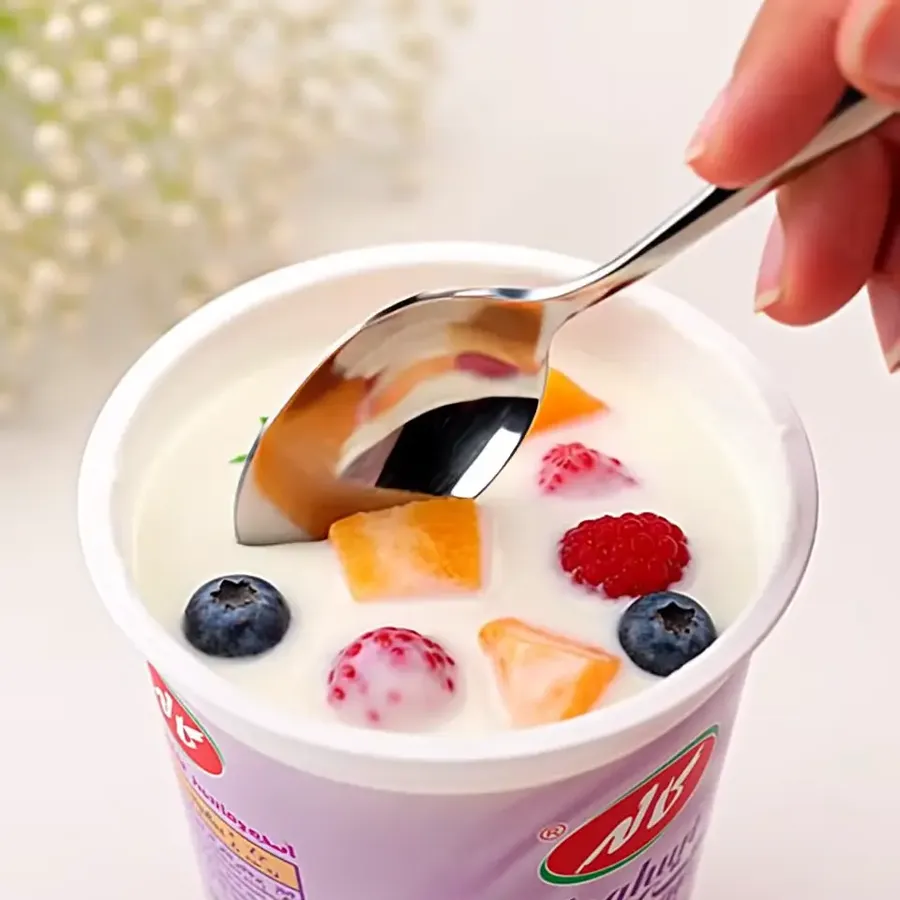
- عکس غذای خودتان را اضافه کنید، ترجیحاً از بالا و با نور روشن.
- بسازید و تعداد صحنهها و زمانها را بررسی کنید.
متن پرامپت
متن کامل پرامپت (۹٬۳۱۳ نویسه): برای دیدن بزنید
15 seconds, 16:9, text-to-video only. Exactly 6 scenes, 2.5 seconds per scene. All transitions are clean hard cuts with no effects. Use the attached food image as the sole visual reference for the final food subject. Identify the food shown in the attached image and recreate that exact dish as faithfully as possible, including its recognizable ingredients, proportions, colors, textures, shape, cooking method, and final appearance. Do not substitute it with another dish. Do not invent unrelated ingredients or decorative elements. 0 additional reference images, 0 start frames, 0 storyboards. The attached food image is the only food reference. The video should show the realistic cooking process that leads to the food shown in the attached image. Infer a plausible professional cooking sequence from the visible characteristics of the reference dish. Preserve strict forward progression between scenes: raw ingredients → preparation → cooking/assembly → final finishing → completed dish. Never show a finished dish before Scene 6. [Art Style] Original Japanese hand-drawn 2D cooking animation. Completely hand-drawn look. Smooth, clear pencil outlines with subtle line thickness variations and natural hand-drawn tremors. Thin, warm lines for food; slightly thicker lines for hands and tools. Clean 2–3 level full-color cel shading in warm neutral tones, no crushed black shadows. Kitchen setting with visible brush strokes, shallow atmospheric perspective, restrained analog film grain, and slight color bleeding at cel edges. Strong specular highlights only where physically appropriate for the food's actual texture. Does not imitate existing studios, artists, movies, or characters. [Subject and Rules] Subject: The exact food shown in the attached reference image. Only experienced adult woman's hands and forearms are visible. Ivory linen sleeves, warm peach-beige skin, short unpainted nails, five fingers on each hand, no accessories. No face, head, torso, full body, or second person. The food must remain visually consistent with the attached reference throughout the entire video. Ingredients, colors, textures, cooking vessels, utensils, and food proportions must remain physically consistent from scene to scene. Each scene has exactly one primary cooking action. Ingredient states only progress forward. Never reverse cooking stages, magically transform ingredients, or introduce unexplained ingredients. Do not show any food that is unrelated to the reference image. Do not show alternative versions of the dish. Never show labels, packaging, logos, written recipes, or text. [Scene Structure] Scene 1 (0.00–2.50) Camera: High-angle close-up, approximately 45–60 degrees above the work surface, extremely slow approach. Start with the essential raw ingredients required to make the food shown in the attached image, arranged naturally and minimally. Action: Perform the first necessary preparation step for this specific dish. Change: The ingredients visibly progress into the first prepared state. The action must be appropriate to the actual food identified from the reference image. Contact points between hands, ingredients, knife, cutting board, or other tools must remain clearly readable. Scene 2 (2.50–5.00) — Texture Highlight Camera: Low side macro close-up near the working vessel or food surface, moving extremely slowly sideways. Start: The prepared ingredients from Scene 1. Action: Perform the most visually important texture-forming step appropriate to the dish, such as mixing, emulsifying, whisking, kneading, frying, simmering, or combining. Change: Ingredients become the correct intermediate texture required by the reference dish. Texture must obey real-world physics: viscosity, heat, moisture, elasticity, crispness, bubbling, or melting must behave naturally. No splashing unless physically appropriate. Scene 3 (5.00–7.50) Camera: Fixed high 45-degree medium shot looking down at the workbench. Start: The intermediate preparation from Scene 2. Action: Perform the next essential preparation or forming step. Change: The food moves closer to the recognizable structure, texture, or component arrangement visible in the attached reference image. If the reference food requires chilling, resting, proofing, marinating, shaping, or cooking between stages, show the most visually meaningful part of that process without skipping physical continuity. Scene 4 (7.50–10.00) Camera: Fixed high-angle close-up near the main cooking vessel or work surface. Start: The prepared components from Scene 3. Action: Perform one major cooking, mixing, assembling, or shaping action appropriate to the dish. Change: The food develops its characteristic color, structure, consistency, or surface. Maintain realistic heat, gravity, contact, and material behavior. Scene 5 (10.00–12.50) — Texture Highlight Camera: Fixed low side medium shot at workbench height. Start: The nearly completed food from Scene 4. Action: Perform one final major cooking, assembly, shaping, or finishing action. Change: The food reaches the characteristic texture and appearance immediately before completion. Show tactile realism: resistance, elasticity, crispness, softness, moisture, browning, gloss, steam, or other properties only when appropriate to the actual reference food. Do not reveal a completely finished presentation prematurely. Scene 6 (12.50–15.00) Camera: High 45-degree macro toward the center of the completed dish, extremely slow approach. Start: The final prepared food immediately after the last cooking or finishing step. Action: One simple final action that confirms completion, such as a final cut, gentle press, garnish placement, plating movement, sauce finish, or natural texture test, depending on the identified dish. Change: End on the completed food matching the attached reference image as closely as physically possible. The final frame must clearly resemble the attached food reference in shape, color, texture, composition, and overall visual identity. No baked crust, cooked surface, garnish, sauce, filling, or internal structure should appear unless it is actually present or visually implied by the attached reference. [Camera] Use at least two meaningful changes in distance, angle, or height between scenes. Within each scene, camera movement must be fixed or extremely slow. No whip pans, camera shake, rotation, rapid zooms, or dramatic camera movement. Contact points between hands, utensils, cookware, and food must always be readable. Macro shots are used only for Scenes 2 and 6. [Texture and Motion] All transformations must be progressive and physically believable. Raw ingredients must become intermediate ingredients before becoming the completed dish. Hands have realistic weight, follow-through, pressure, and finger movement. Liquids obey viscosity and gravity. Dough obeys elasticity and resistance. Hot food behaves according to heat and moisture. Crisp surfaces, sauces, fillings, emulsions, and other textures must behave according to the actual food shown in the reference. No sudden morphing, teleporting, state regression, impossible deformation, or unexplained appearance/disappearance of ingredients. [Lighting and Setting] Clean, warm morning kitchen. White quartz workbench and worn oak cutting board. Soft gold key light from a top-left window, weak cool fill from the opposite side. Ground shadows remain consistent in direction under all objects. Only objects and ingredients necessary for the current scene are visible. Maintain the same kitchen, hands, sleeves, cookware, utensils, lighting direction, and visual atmosphere throughout the entire video. [Physical Continuity] Maintain consistent ingredient quantities, cookware, utensils, hand appearance, sleeve appearance, kitchen environment, and light source across all six scenes. Use the same food mass and components throughout the sequence. Every object must have consistent size, material, weight, and texture. Follow real cooking order, gravity, heat, viscosity, elasticity, and contact physics. The final completed food must visually correspond to the attached reference image. [Sound] Generated natural cooking sounds only. Low kitchen room tone and realistic contact sounds appropriate to the identified food and cooking process: cutting, chopping, whisking, stirring, frying, sizzling, pouring, kneading, scraping, bowl contact, utensil contact, parchment rustling, plating, or other natural cooking sounds as appropriate. No BGM, dialogue, narration, singing, voices, or artificial cinematic sound effects. [Negative] Text, titles, captions, subtitles, numbers, labels, logos, watermarks, recipes, written instructions, packaging, brands, extra people, faces, heads, torsos, full bodies, accessories, jewelry, painted nails, extra fingers, missing fingers, deformed hands, duplicated utensils, duplicated ingredients, unrelated ingredients, unrelated food, food substitutions, impossible cooking physics, sudden morphing, teleportation, state regression, premature finished dish, finished food before Scene 6, excessive camera movement, whip pans, camera shake, rotation, rapid zooms, fantasy elements, surreal transformations, studio imitation, artist imitation, movie imitation, character imitation.
اگر بخواهید تغییرش بدهید
نسخهی کوتاهتر
به جای ۶ صحنه بنویسید «4 scenes, 3.75 seconds each» تا کل ویدیو هم ۱۵ ثانیه بماند.
نمای نزدیک
بنویسید «macro close-ups of ingredients» تا جزئیات مواد بیشتر دیده شود.
برای نتیجهی بهتر
- پرامپت دقیقاً ۶ صحنه میخواهد. اگر تعداد صحنهها را عوض کنید، زمانبندی هم عوض میشود.
- اگر لازم است یک مادهی خاص دیده شود، آن را در متن نام ببرید.
پرسشهای پرتکرار
طول ویدیو ثابت است؟
پرامپت ۱۵ ثانیه میخواهد. خروجی نهایی بسته به مدل ممکن است کمی فرق کند.
برای دستور پخت مناسب است؟
برای سرگرمی و تبلیغ غذا خوب است. دستور پخت دقیق را از منبع معتبر بگیرید.